
Winter’s finally over, and your boat’s been sitting under a cover for months. You’re ready to get back on the water, but smart boaters know that a proper spring boating checklist makes all the difference between smooth sailing and unexpected problems. Fresh batteries, tested safety gear, and a well-maintained engine set you up for an amazing season ahead. This spring boating checklist covers every critical system—from inspecting life jackets and checking your fuel lines to testing electronics and running that final shake-down cruise. Follow these steps, and you’ll launch with confidence, knowing your boat’s dialed in and ready for adventure.

Table of Contents
- Safety Gear Inspection
- Engine & Fuel System Check
- Electrical System Inspection
- Hull & Propeller Check
- Trailer Inspection
- Navigation Equipment
- Cleaning & Interior Prep
- Final On-Water Test
- Spring Boating Checklist – Boat With Confidence!
Safety Gear Inspection
Spring’s the perfect time to dig out those life jackets from storage and give them a proper once-over. Think about it—they’ve been sitting in a locker all winter, and you need them to work flawlessly when it matters most. Your safety equipment isn’t just about avoiding fines from the Coast Guard; it’s about making sure everyone gets home safely.
Here’s what you need to check before hitting the water:
- Life jackets and PFDs: Each person on board needs a properly sized, USCG-approved wearable PFD, plus one throwable device for boats over 16 feet. Check for torn fabric, busted zippers, or compressed foam. Give the straps a good tug to make sure the buckles actually latch properly. Kids’ life jackets deserve extra attention since what fit last year might be way too snug now.
- Flares and visual distress signals: Flares expire four years after the date of manufacture—not the date you bought them. You need at least three devices for daytime and three for nighttime use if you’re operating on coastal waters or the Great Lakes. Make sure they’re stored somewhere dry and accessible.
- Sound-producing devices: Press that horn button or squeeze that air horn to verify it’s still working. If you’re using an air horn with a compressed air canister, check whether it needs replacing.
- Emergency kits: Confirm your first aid supplies haven’t expired, batteries are fresh, and you’ve got working flashlights. Include basics like duct tape, zip ties, and extra fuses.
Related: When Should the Mechanical Condition of a Boat Be Checked? A Complete Owner’s Guide
Engine & Fuel System Check
After months of sitting idle, your engine needs attention before you fire it up. This isn’t the time to discover you’ve got old fuel gumming up your carburetor or a water pump impeller that’s turned to mush over the winter.
Start with these critical checks:
- Oil and filter: Change the oil and filter if you didn’t do it during winterization, using high-quality marine engine oil. Fresh oil protects your engine and helps it run smoothly all season.
- Fuel system inspection: Inline and engine-mounted fuel filters should be replaced annually. Check fuel lines for cracks, brittleness, or loose connections. If you smell gas or see leaks, replace components immediately.
- Spark plugs and belts: Pull the spark plugs and check their condition—they’ll tell you a lot about how your engine’s been running. Check belts for tension and wear, replacing any that show cracks or fraying.
- Water pump impeller: If you haven’t replaced the fuel filters since last spring, you should definitely replace them now. The impeller brings cooling water to your engine, and worn impellers can cause overheating.
- Fluid levels: Top off transmission fluid, hydraulic steering fluid, and coolant. Don’t assume everything’s still where it should be after sitting all winter.
Electrical System Inspection
Your boat’s electrical system took a beating sitting through winter—condensation, corrosion, and critters can all wreak havoc on wiring and connections. A thorough electrical check now prevents being stranded later with dead electronics or a drained battery.
Here’s what needs attention:
- Battery inspection and charging: After sitting through the offseason, it’s common for batteries to lose charge or develop issues. Give batteries a full charge, then check terminals for corrosion and clean with a wire brush. Use a voltmeter to test—anything below 12.4V on a 12V battery means it needs replacing.
- Wiring and connections: Check all wire terminals and grounding points for corrosion or signs of overheating, tighten all connections, and re-secure any wires that have come loose. Pay special attention to areas where wires pass through bulkheads—they’re prone to chafing.
- Electronics and navigation equipment: Flip on navigation lights and check every bulb, test your horn, VHF radio, depth finder, and GPS. Replace any burned-out bulbs or blown fuses before launch day.
- Bilge pump test: Check your bilge pump both manually and by triggering the float switch. This isn’t something you want to discover doesn’t work when you actually need it.
Hull & Propeller Check
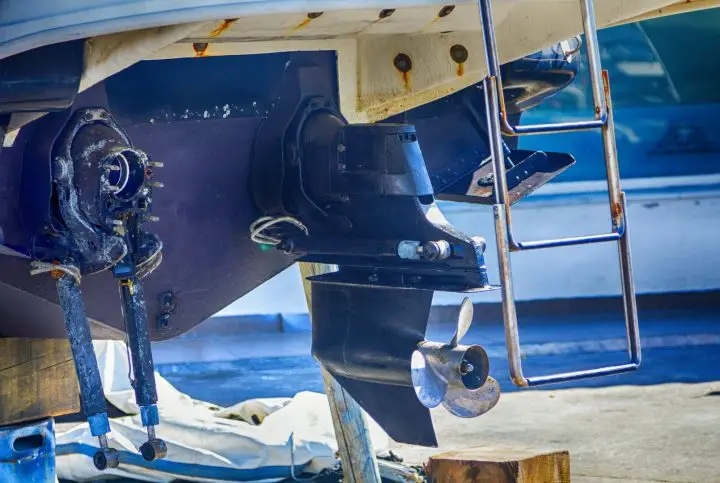
Your hull and propeller are what keep you moving through the water efficiently, so damage here directly impacts performance and safety. Spring’s the time to catch problems before they turn into expensive repairs or leave you stranded.
Check these critical areas:
- Hull inspection: Examine the boat hull for any cracks, distortions, and blistering. Make sure your drain plugs are in place and buy a set of spare drain plugs to keep them in a safe place on your boat—you’d be surprised how many boaters forget this simple step.
- Propeller examination: Inspect your propeller for problems such as nicks, dings, cracks, and corrosion, as well as rolled tips or bent blades. Run your finger carefully around the blades, feeling for abnormalities. Even minor damage decreases performance and fuel efficiency.
- Prop shaft and zincs: Grab the prop and try to wiggle it—if the shaft moves in the cutlass bearing by more than about 1/8 inch, you should have the bearing inspected. Inspect the anodes on the shaft, outdrive, and trim tabs, replacing any that are more than half dissolved.
- Through-hulls and fittings: Check all through-hull fittings for corrosion or leaks. Make sure seacocks move freely—they can seize up after sitting unused.
Trailer Inspection
Your trailer’s been sitting as long as your boat, and it needs just as much attention. After all, a breakdown on the highway with your boat in tow is nobody’s idea of a good time—especially when it’s preventable.
Focus on these key components:
- Tires and pressure: Check for cracks, excessive tread wear, and proper air pressure. If any tires no longer hold pressure properly or show signs of dry rot or other problems, they should be replaced. Trailer tires often crack from sun exposure rather than wearing out their tread.
- Wheel bearings: Ensure they are properly greased to avoid overheating and failure. For boat trailers that are frequently submerged, bearings should be repacked annually. Water intrusion is a common cause of bearing failure.
- Lights and wiring: Verify that blinkers, brake lights, and running lights work properly. Test all connections and replace any corroded wiring. Always unplug trailer lights before launching to prevent blown bulbs.
- Winch and safety equipment: Inspect winch straps for fraying or wear and test the winch operation. Check that safety chains are secure and properly crossed under the hitch.
Navigation Equipment
Dead electronics on the water can turn a fun day into a dangerous situation fast. Your navigation gear sat dormant all winter, and now’s the time to make sure everything powers up and actually works.
Test these essential systems:
- VHF radio check: Test your horn, VHF radio, depth finder, and GPS. Turn on your VHF and do a radio check on channel 16 to confirm transmission and reception work properly. Make sure your DSC function is programmed with your MMSI number.
- GPS and chartplotter: Power up your GPS and verify it’s acquiring satellites and showing your correct position. Many modern chartplotters allow you to improve digital charts in real-time by matching your GPS position with depth soundings. Check if your charts need updating—things change on the water.
- Electronics functionality: Test all navigation lights, depth finders, and any fish finders or radar systems. Make sure displays are clear, and connections are solid. Check that the backup batteries in handheld devices are charged.
- Communication systems: Verify your cell phone is charged and in a waterproof case. Test any backup communication devices like handheld VHF radios or EPIRBs if you have them.
Cleaning & Interior Prep
A clean boat isn’t just about looks—mildew and mold can actually damage your upholstery and create health issues. Plus, nobody wants to spend the day on a boat that smells like a damp basement.
Tackle these interior tasks:
- Mildew removal: Use a mold and mildew cleaner like Star brite’s Mildew Stain Remover, which comes in a trigger spray bottle that lets you direct spray into hard-to-reach areas. Gently scrub mildewed areas on boat seats using a circular motion, but avoid excessive pressure to prevent damaging the upholstery.
- Ventilation and airflow: Open all hatches, lockers, and compartments to air out the boat. Leave doors to hanging lockers and other enclosed spaces open to allow air to circulate and reduce moisture. This prevents mildew from returning.
- Upholstery and surfaces: Clean vinyl seats with marine-safe cleaners and apply a UV protectant. Vacuum carpets thoroughly and treat any moldy spots with appropriate cleaners. Wipe down all surfaces in the galley and head with marine-safe disinfectants.
- Bilge cleaning: Don’t forget the bilge—it accumulates sludge and oil over time. Drain dirty water, scrub with bilge cleaner, and test the pump to make sure it’s working properly.
Related: How to Check Boat Engine Hours: A Simple Guide for Every Boat Owner
Final On-Water Test
You’ve done all the prep work, but the real proof comes when you actually get the boat in the water. This shake-down run is your chance to catch any issues before you’re miles from shore with guests aboard.
Run through these essential tests:
- Engine startup and idle: The engine should start easily and run smoothly without excessive smoke or unusual noises. Let it warm up at idle and listen for anything that sounds off. Check for exhaust smoke color and water flow from the cooling system.
- Throttle response and performance: Ease the boat into gear and slowly advance the throttle up through the rpm range. Note how the boat gets on plane and whether it reaches expected RPMs. Test at multiple speeds from idle to wide-open throttle.
- Steering and handling: Crank a hard-over turn to each side—the boat should carve cleanly and powerfully through the turn without the engine struggling. Test how it handles in reverse and at no-wake speeds.
- Systems check underway: Monitor engine temperature, oil pressure, and fuel consumption. Check your bilge pump both manually and by triggering the float switch. Test all electronics and make sure the navigation lights work near dusk.
Keep this first run short and stay close to the launch. If something’s going to fail, better it happens within sight of the dock than five miles offshore with a boat full of people.
Spring Boating Checklist – Boat With Confidence!
Your boat’s been sitting all winter—now it’s time to get it water-ready. This checklist covers the essentials: safety gear, engine and fuel checks, electrical systems, hull and prop inspection, trailer maintenance, navigation equipment, interior cleaning, and that crucial first test run. Skip any of these steps, and you’re asking for trouble when you’re miles from shore. But nail this prep work? You’ll launch knowing everything’s dialed in and ready to go. A few hours of spring maintenance beats a whole season of breakdowns and frustrations. Work through this list, fire up that engine, and get back to what matters—making memories on the water.
