
Most boat breakdowns aren’t bad luck—they’re mechanical failures that show warning signs weeks early, but only if you’re paying attention. Knowing when should the mechanical condition of a boat be checked is what separates boaters who cruise confidently from those waiting for a tow. The timing matters just as much as what you’re inspecting. From spring wake-ups to post-trip checks, each inspection window catches different issues before they strand you. Nail these checkpoints, and you’ll spend way more time enjoying the water and way less time dealing with preventable repairs that could’ve been spotted with a quick look-over.
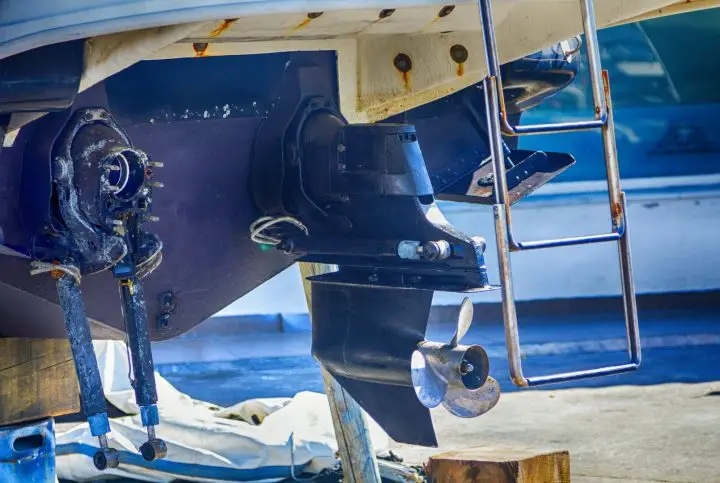
Table of Contents
- Understanding “Mechanical Condition”
- Pre-Season Check
- Pre-Trip Inspection
- Post-Trip Review
- Mid-Season Maintenance
- End-of-Season or Winterization
- Professional Inspections
- Don’t Let Maintenance Keep You Docked
- FAQs – When Should the Mechanical Condition of a Boat Be Checked?
Understanding “Mechanical Condition”
When folks talk about checking a boat’s mechanical condition, they’re not just kicking the tires and calling it good. We’re talking about a comprehensive look at the systems that keep your vessel running smoothly—or leave you dead in the water if something’s off.
At the core, you’ve got your engine—whether it’s an outboard motor bolted to your transom or an inboard engine tucked below deck. This powerhouse needs inspection for compression levels, oil quality, fuel delivery, and exhaust systems. Think of it like this: your engine’s the heart, and if the heart’s not pumping right, nothing else matters.
The propeller system doesn’t just spin on hope—it needs a healthy transmission to transfer all that engine power to forward motion. Transmission fluid should be clean with no milky appearance signaling water intrusion. Your steering system needs to respond smoothly without binding, while the fuel system demands respect from tank to filter to line connections.
Don’t forget the electrical backbone running through your boat: batteries, charging systems, wiring connections, and all those pumps and gauges. Each mechanical system interacts with the others, creating an ecosystem that either works in harmony or leaves you stranded. Understanding what’s included in a mechanical check helps you know what to look for and when to get concerned.
Related: Maintenance of the Boat 101: Essential Tips to Keep Your Vessel in Top Shape
Pre-Season Check
There’s something almost ceremonial about that first spring day when you head to the marina, ready to wake your boat from its winter slumber. But hold up—before you fire up that engine and dream about open water, you’ve got work to do.
The pre-season check is your annual insurance policy against disappointment. Marina service centers see a flood of boats every spring, and the ones that get out on the water first are the ones whose owners didn’t skip this crucial inspection. After months of sitting, systems settle, fluids separate, seals dry out, and critters might’ve made themselves at home. That marine mechanic looking over your shoulder isn’t being paranoid; they’re preventing the kind of mid-lake breakdown that’ll turn your perfect day into a rescue mission.
Start with charging those batteries and testing their capacity—cold storage drains them faster than you’d think. Check engine oil and coolant levels, replace fuel filters if needed, and inspect every belt and hose for cracks. Fire up the engine on land with a proper water supply and watch your gauges like a hawk. Everything should come to life smoothly, without smoking, knocking, or leaking.
Pre-Season Checklist:
- Charge and load-test boat batteries
- Check and change the engine oil and filter
- Inspect and replace fuel filters
- Examine all belts and hoses for cracks or brittleness
- Test the cooling system and check coolant levels
- Inspect the propeller for winter damage
- Grease all fittings and moving parts
- Test bilge pump operation
- Verify that all navigation lights function
- Check safety equipment expiration dates
Pre-Trip Inspection
Even with that solid pre-season check behind you, you’re not off the hook. Before every single outing—yes, every one—you need a quick pre-trip inspection. Think of it as your pre-flight checklist, but with more fiberglass.
This isn’t about tearing the boat apart; it’s about catching the obvious stuff before you leave the dock. Check your fuel level and make sure you’ve got enough to get there and back with a safety margin. Pop the cowling and glance at your oil level—takes 30 seconds and could save your engine. Boat batteries need a quick voltage check, especially if they’ve been sitting a few days.
Never skip looking in the bilge before you head out. A dry bilge is a happy bilge. Any unexpected water, oil sheen, or strange smells deserve investigation before you cast off. Test your bilge pump while you’re at it—flip the switch and make sure it kicks on. The bilge pump is your silent guardian, and you don’t want to discover it’s dead when water’s rising.
Experienced boaters can knock this out in five minutes flat because they’ve internalized the routine. Those five minutes might just save your day—or your boat.
Pre-Trip Checklist:
- Verify adequate fuel level with reserve margin
- Check engine oil level
- Test battery voltage and connections
- Inspect bilge for unexpected water or fluids
- Test bilge pump operation
- Examine fuel filters and lines for leaks
- Check cooling system hoses for bulging or weeping
- Verify steering responds smoothly
- Ensure battery terminals are tight and clean
- Confirm all safety gear is aboard and accessible
Post-Trip Review
Here’s where a lot of folks drop the ball. After a great day on the water, the last thing you want to do is mess around with maintenance. But this post-trip review is when you catch problems while they’re still small.
If you’ve been in saltwater, flushing isn’t optional—it’s mandatory. Saltwater corrosion is relentless and expensive. Engine flush kits make this easy: hook up fresh water and run it through your cooling system according to manufacturer specs. For outboards, use muffs or a flush port. For inboards, connect to the raw water intake. Let it run long enough to purge all the salt from the system.
Walk around your boat with intention. Check for any new vibrations you felt underway—could be a propeller issue starting. Look for fluid drips that weren’t there before. Open the cowling and scan for loose clamps, rubbing hoses, or wire chafing. This is detective work, and you’re gathering clues about what needs attention. Notice anything odd? Write it down. Those little notes become your maintenance plan.
Rinse off the salt spray and general grime before it sets in. A clean boat is easier to inspect and attracts less corrosion. Check your drain plug is out for storage and secure everything that might shift.
Post-Trip Checklist:
- Flush the engine with fresh water (especially after saltwater use)
- Inspect for new leaks or fluid drips
- Check for unusual vibrations or sounds experienced underway
- Examine hoses and clamps for looseness or chafing
- Rinse away salt spray and debris
- Remove the drain plug for storage
- Document any issues noticed during the trip
- Wipe down seats to prevent mildew
- Check fuel lines for soft spots or cracks
- Secure all loose equipment
Mid-Season Maintenance
Summer’s rolling along, you’ve been out every weekend, and everything seems fine. Don’t get complacent—this mid-season maintenance window is critical for boats that see heavy use.
Depending on your engine hours, mid-season might be when that oil change comes due. Marine oil filters work hard in harsh conditions, and fresh oil keeps your engine’s internals protected. Check your owner’s manual for the service interval, but generally figure every 50-100 hours or mid-season, whichever comes first. Examine those drive belts for proper tension and signs of wear—glazing, cracking, or fraying mean replacement time.
Your propeller takes a beating, and the propeller hub can slip or deteriorate. Pull the prop and inspect the hub for damage. Check the blades for cracks or bends. Clear any fishing line wrapped around the shaft before it damages seals. How’s your engine running compared to early season? Any drop in RPM at wide-open throttle? Temperature creeping higher than normal? These subtle changes signal developing issues. Stay ahead of problems, and they’ll stay small.
Mid-Season Dos and Don’ts:
- DO change oil and filters at recommended intervals
- DO inspect and adjust drive belt tension
- DO remove and inspect the propeller hub for wear
- DO monitor engine performance for changes
- DON’T ignore decreasing RPM or rising temperatures
- DON’T skip retorquing engine mounts
- DON’T overlook fishing line around the prop shaft
- DON’T forget to check the transmission fluid condition
Related: How to Drain Boat Fuel Tank: A Step-by-Step Guide
End-of-Season or Winterization
Nothing says “responsible boat owner” quite like proper winterization. Skip this, and you’re gambling with expensive repairs come spring.
Water expands when it freezes, and trapped water will crack engine blocks, split hoses, and destroy pumps without mercy. Every raw water system needs draining: cooling systems, washdown pumps, livewells, head systems, and freshwater tanks. For systems you can’t fully drain, marine antifreeze fills the gap—use the pink RV-type antifreeze, not automotive green stuff.
Add fuel stabilizer to a full tank, then run the engine long enough to circulate treated fuel through the entire system. A full tank minimizes condensation during storage. Your fuel filter should be fresh going into storage—you don’t want contaminated fuel sitting there all winter.
Disconnect that battery and store it somewhere that won’t freeze. Better yet, keep it on a maintenance charger. Grease everything that moves: steering components, throttle cables, shift linkages. Change the engine oil and lower unit gear oil now—used oil contains acids you don’t want sitting in your engine all winter. Fog the engine cylinders to protect against rust.
Winterization Checklist:
- Drain all raw water systems completely
- Add marine antifreeze to systems that can’t drain
- Treat fuel with stabilizer and top off the tank
- Replace fuel filters before storage
- Disconnect and store the battery on the maintainer
- Change engine oil and lower unit gear oil
- Fog engine cylinders for rust protection
- Grease all moving parts and cables
- Lubricate steering and throttle mechanisms
- Remove drain plugs for storage
Professional Inspections
Let’s be real: you can do a lot yourself, but sometimes you need an expert’s eye on your boat’s mechanical condition.
A certified boat mechanic brings diagnostic tools and experience you probably don’t have. Annual surveys by a marine surveyor offer an objective assessment of your boat’s condition—especially valuable if you’re buying, selling, or just want peace of mind. These professionals pull fluid samples for lab analysis, use thermal imaging to spot hot spots, and know what “normal” looks like for your specific engine. They’ve seen the failure patterns and know what to look for. Pre-purchase inspections are non-negotiable—don’t buy someone else’s problems without knowing what you’re getting into.
Most routine checks fall squarely in the DIY category. Checking oil, changing filters, inspecting belts—this stuff isn’t rocket science once you’ve done it a few times. But complex diagnostics, major repairs, or anything involving specialized tools? That’s professional territory. Can’t figure out why your engine’s running rough after checking the obvious? Bring in the experts.
Whether you’re doing the work yourself or hiring it out, keep detailed records. Every inspection, every oil change, every repair—document it with dates and findings. That maintenance log proves your diligence and creates a history that reveals patterns.
Professional Inspection Dos and Don’ts:
- DO hire professionals for pre-purchase inspections
- DO use certified boat mechanics for complex diagnostics
- DO keep detailed maintenance records
- DO schedule annual professional surveys
- DON’T skip professional help for electronic system issues
- DON’T ignore recommendations from marine surveyors
- DON’T attempt major engine repairs without proper training
- DON’T buy a boat without a professional mechanical assessment
Don’t Let Maintenance Keep You Docked
So when should you check your boat’s mechanical condition? More often than you think. From comprehensive pre-season inspections to quick five-minute pre-trip checks before every outing, regular mechanical inspections are your insurance policy against expensive breakdowns. The pattern’s straightforward: check thoroughly before the season starts, inspect briefly before every trip, review carefully after each outing, maintain diligently mid-season, and winterize properly when it ends. Add professional help for complex issues, and you’ve got a bulletproof strategy. The boats that spend the most time on the water aren’t the newest—they’re the ones whose owners treat mechanical inspections as routine rather than optional. Stay ahead of problems while they’re small, and you’ll spend more time enjoying the water.
FAQs – When Should the Mechanical Condition of a Boat Be Checked?
When should the mechanical condition of the boat be checked?
Check your boat’s mechanical condition at five key times: before the season starts (pre-season inspection), before every trip (quick safety check), after each outing (post-trip review), mid-season (around 50-100 engine hours), and at season’s end (winterization). Additionally, schedule professional inspections annually and always before buying or selling a boat. This layered approach catches issues early and prevents costly breakdowns.
What is the most important boat maintenance to check?
The engine is your most critical system to monitor. Check oil levels regularly, inspect cooling system hoses for leaks or cracks, and verify proper fuel delivery. Don’t overlook the bilge—unexpected water signals problems brewing. Battery connections and the propeller system rank close behind. Truth is, they’re all connected. A failing fuel filter affects engine performance, while corroded battery terminals can leave you stranded just as easily.
